International food commodity prices fell again in October, supported by lower prices for cereals, dairy products, and meat, while sugar recorded its fourth consecutive monthly increase. According to data released by the FAO, the World Food Price Index stood at 133,9 points, down 1,2% from September but still 5,9% higher than the same month in 2025. However, the value remains 16,4% below the peak reached in March 2022.
The most significant decline was in cereals, whose index lost 4,5% monthly. International wheat prices fell after four consecutive months of increases, impacted by subdued demand and improving production prospects, especially in Argentina. Corn also declined after reaching a three-year high in September, thanks to the progress of harvests in the United States and expectations of abundant supplies in South America. Rice bucked the trend, rising 1,6% due to harvest delays, unfavorable weather conditions, and rising costs.
The vegetable oil index rose 0,3%, with increases in soybean and sunflower oil offsetting declines in rapeseed oil. In particular, soybean oil reached its highest levels since late 2022, supported by demand from the biofuel sector and seasonally reduced South American supplies.
On the animal protein front, meat prices decreased by 1,2%, with decreases for pork, lamb, and beef, while poultry remained essentially stable. Dairy products, especially butter and cheese, also fell by 1,1%, penalized by abundant supply and weak international purchases.
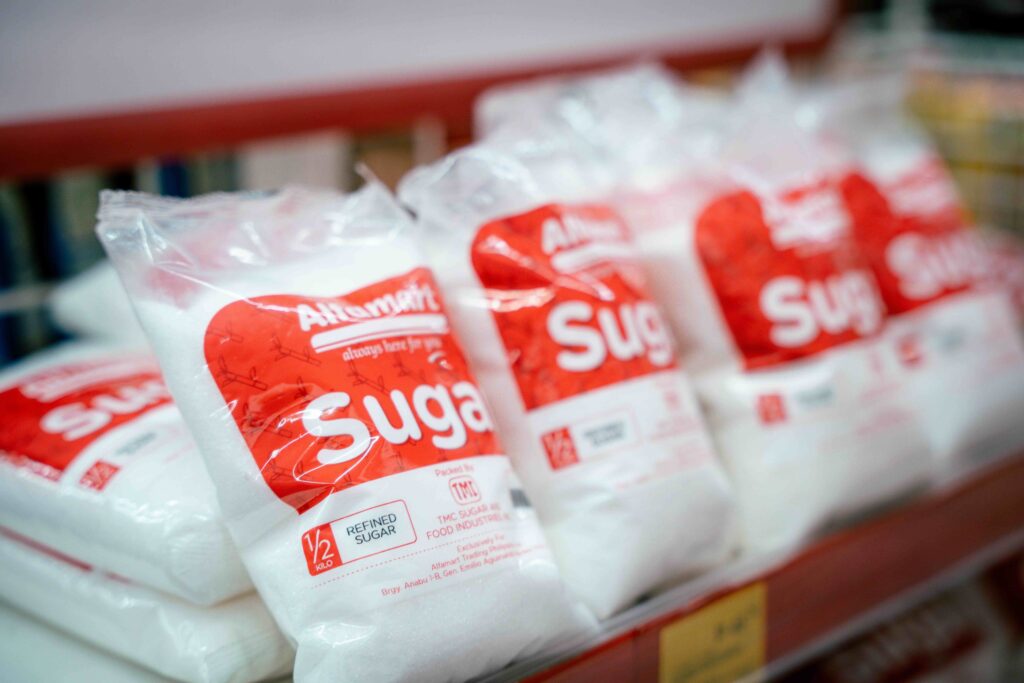
The main exception was sugar, where the index rose 6,6% from September and 28,8% year-on-year, reaching its highest level since December 2024. Rains that hampered sugarcane harvesting and processing in Brazil weighed heavily, along with concerns about production in India, the European Union, and Thailand.
The FAO also updated its outlook for the world cereal market. Production in 2026 is expected to reach 2,999 billion tonnes, down from the record high of 2025, but still the second-highest level on record. Rice is expected to contract by 2,5%, to 552 million tonnes, the first decline in four growing seasons, partly due to climate effects linked to El Niño.
World cereal consumption in the 2026/27 season is expected to increase by 0,2%, reaching 2,971 billion tonnes, while inventories are expected to grow by 1,8%. International trade, however, is expected to decline, estimated at 507,7 million tonnes, 3,3% less than the previous season, primarily due to an 8,6% contraction in wheat trade.
Finally, the global food security situation remains critical. According to the FAO, 41 countries and territories still require external food assistance, 31 of which are in Africa. Conflict, instability, and extreme weather continue to compromise access to food, while the strengthening of El Niño risks further exacerbating production difficulties throughout 2027.